
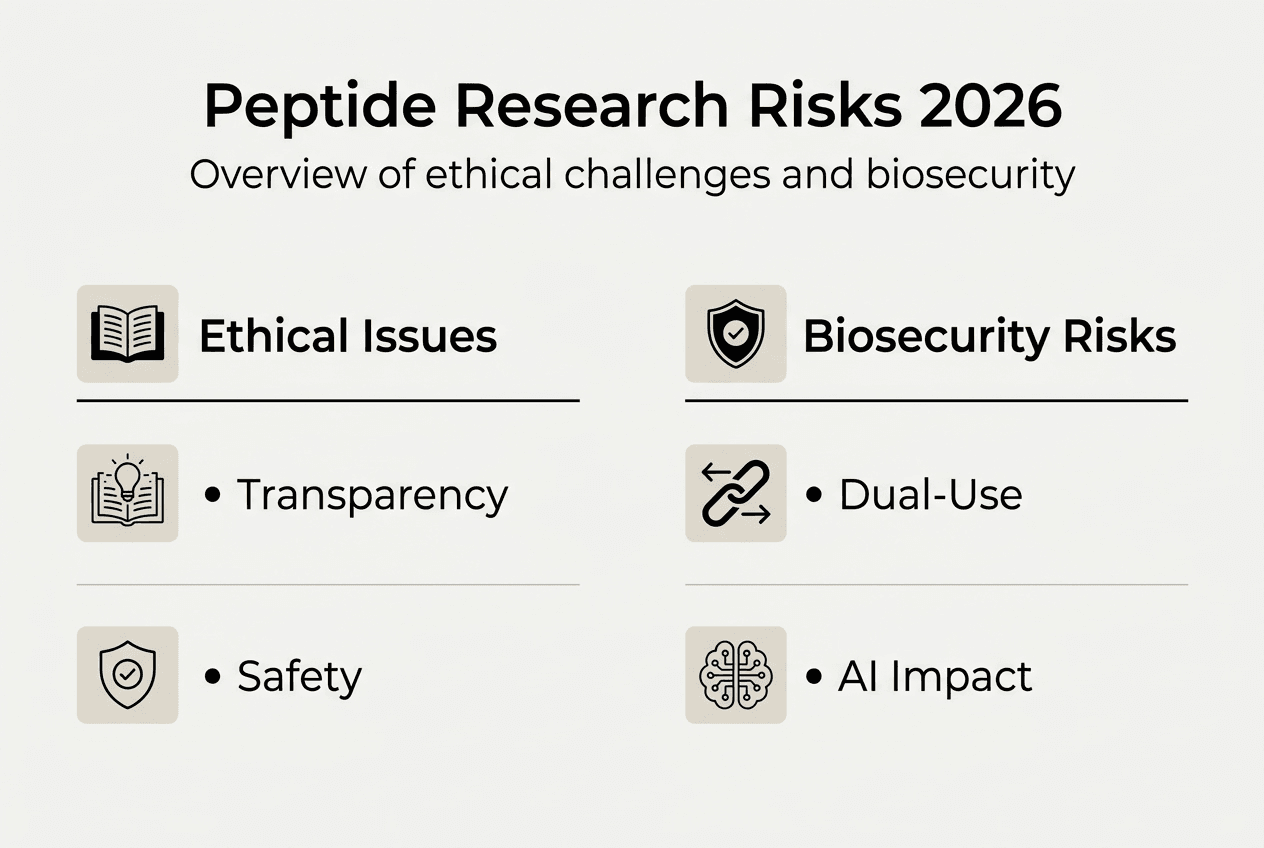
Peptide research stands at a crossroads where scientific innovation meets unprecedented ethical complexity. While research peptides drive breakthroughs in therapeutics and biotechnology, misconceptions about their safety profiles and regulatory oversight persist across laboratories worldwide. The convergence of synthetic biology, artificial intelligence, and advanced peptide engineering introduces challenges that extend far beyond traditional quality control. This guide examines critical ethical considerations facing researchers and ethics committees in 2026, from immunogenicity assessment protocols to biosecurity threats posed by dual-use technologies, providing frameworks for responsible peptide research that balances innovation with safety and security imperatives.
Table of Contents
- Regulatory Frameworks Guiding Ethical Peptide Research
- Immunogenicity Risks and Product Quality in Peptide Therapeutics
- Biosecurity and Dual-Use Considerations in Synthetic Peptide Research
- Navigating Ethical Applications and Future Outlook in Peptide Research
- Explore Research-Grade Peptides and Resources
Key takeaways
| Point | Details |
|---|---|
| Regulatory compliance | Ethical peptide research demands strict adherence to evolving EMA and FDA guidelines adopted in late 2023. |
| Immunogenicity assessment | Comprehensive testing using computational and cellular assays identifies immune response risks affecting up to 11% of new peptides. |
| Biosecurity governance | SynBioAI technologies lower barriers to bioengineering, requiring multi-layered oversight to prevent misuse. |
| Impurity control | Novel synthesis methods introduce unexpected impurities that may trigger unwanted T-cell responses. |
| Transparent practices | Open stakeholder engagement and rigorous documentation support responsible innovation in peptide science. |
Regulatory frameworks guiding ethical peptide research
The ethical landscape of peptide research transformed substantially when the European Medicines Agency adopted comprehensive guidelines in late 2023. These frameworks establish baseline expectations for researchers developing synthetic peptides, covering everything from manufacturing processes to final product characterization. Understanding these regulations is essential for maintaining ethical compliance in 2026.
The EMA guideline addresses both solid-phase and solution-phase synthesis methods, recognizing that manufacturing approach directly impacts product quality and safety profiles. Researchers must demonstrate control over critical process parameters that influence peptide purity, sequence fidelity, and structural integrity. This includes rigorous documentation of starting materials, reagent quality, and purification techniques that eliminate potentially harmful impurities.
Key regulatory expectations include:
- Comprehensive characterization of peptide structure using orthogonal analytical methods
- Validated impurity testing protocols that detect process-related and product-related variants
- Stability studies demonstrating consistent quality throughout shelf life
- Immunogenicity risk assessments tailored to intended research applications
- Transparent reporting of manufacturing changes that could affect safety profiles
The CHMP and CVMP adopted these guidelines following extensive consultation periods, reflecting input from academic researchers, industry stakeholders, and regulatory experts. This collaborative approach ensures that standards remain scientifically rigorous while accommodating innovation in peptide synthesis technologies. Researchers working with research peptides must integrate these frameworks into experimental design from the earliest stages, not as afterthoughts during publication preparation.
Compliance extends beyond technical specifications to encompass ethical principles of transparency and reproducibility. Ethics committees evaluating peptide research proposals should verify that investigators understand current regulatory expectations and have implemented appropriate quality controls. This proactive approach prevents ethical lapses that could compromise research integrity or participant safety in future clinical applications.
Immunogenicity risks and product quality in peptide therapeutics
Immunogenicity represents one of the most significant ethical challenges in peptide research, with adverse immune responses potentially limiting both efficacy and safety of therapeutic candidates. Recent data indicates that approximately 11% of novel peptide therapeutics trigger unwanted immune activation, creating serious implications for researchers and future patients. This risk demands rigorous assessment protocols that identify potential immunogenic epitopes before peptides advance to clinical testing.

Modern immunogenicity assessment combines computational prediction tools with laboratory-based cellular assays to create comprehensive risk profiles. In silico platforms like EpiMatrix analyze peptide sequences to identify potential T-cell epitopes, regions where the immune system might mount responses. These predictions guide experimental testing using peripheral blood mononuclear cells in proliferation assays that measure actual immune activation.
The challenge intensifies when considering product-related impurities that emerge during synthesis. Even minor sequence modifications in impurities can create novel T-cell epitopes capable of driving immune responses that the parent peptide would not trigger. This phenomenon complicates quality control for researchers using greener chemistry approaches that may introduce unexpected variants. Each synthesis modification requires fresh immunogenicity evaluation to ensure safety profiles remain acceptable.
Critical testing considerations include:
- Baseline immunogenicity screening using validated computational algorithms
- PBMC T-cell proliferation assays with donor cells representing diverse HLA backgrounds
- Impurity profiling that identifies all sequence variants above 0.1% threshold
- Comparative testing of synthesis batches to detect process-related immunogenic changes
- Long-term monitoring protocols for peptides used in extended research studies
Pro Tip: Update your immunogenicity testing protocols quarterly to incorporate emerging variants identified in ongoing research, particularly when working with BPC-157 peptide research grade materials that may show batch-to-batch variability.
The regulatory requirement for immunogenicity assessment in market authorization applications reflects growing recognition that immune responses can compromise therapeutic outcomes even when peptides demonstrate excellent in vitro activity. Researchers must view immunogenicity evaluation not as regulatory burden but as ethical imperative that protects both scientific integrity and future clinical translation. This perspective shift encourages proactive risk management rather than reactive problem-solving when unexpected immune responses emerge during advanced testing phases.
Novel impurities from sustainable synthesis methods present particular challenges because historical safety data may not predict their immunogenic potential. An immunogenicity assessment study examining teriparatide impurities revealed that seemingly minor structural changes created epitopes with significantly different immune activation profiles. This finding underscores the necessity of comprehensive testing whenever synthesis protocols change, even when modifications aim to improve environmental sustainability or cost efficiency.
Biosecurity and dual-use considerations in synthetic peptide research
The convergence of synthetic biology and AI creates unprecedented biosecurity challenges that extend far beyond traditional laboratory safety protocols. SynBioAI technologies democratize biological engineering capabilities, lowering technical barriers that previously limited who could design and produce complex peptides. This accessibility brings tremendous research benefits but simultaneously enables diffuse, decentralized bioengineering activities that complicate governance and oversight.
Traditional biosecurity frameworks assumed that dangerous biological capabilities remained concentrated in specialized facilities with trained personnel and institutional oversight. However, AI-enabled biological engineering disperses these capabilities across distributed networks where monitoring becomes impractical. A researcher with modest resources can now design peptides with specific biological activities, including potentially harmful ones, using publicly available computational tools and contract synthesis services.
The dual-use dilemma reaches acute intensity with certain peptide classes. Toxins like ricin possess legitimate medical applications in targeted cancer therapies and immunological research, yet the same molecules could theoretically serve as biological weapons. International agreements struggle to regulate dual-use technologies because blanket prohibitions would halt beneficial research while targeted restrictions prove difficult to enforce in decentralized research environments.
Key biosecurity considerations include:
- Institutional review of peptide designs with potential dual-use applications
- Transparent documentation of research objectives and methodologies
- Engagement with biosecurity experts during experimental design phases
- Secure storage and handling protocols for peptides with toxicological properties
- Participation in broader scientific community discussions about responsible innovation
As one biosecurity expert observed:
The challenge is not preventing all risky research but creating governance structures that allow beneficial innovation while minimizing misuse potential through transparency, engagement, and shared responsibility across the scientific community.
Monitoring toxin production proves impractical given the ease of peptide synthesis and the legitimate research applications that require access to these molecules. Instead, ethical governance must emphasize openness and proactive engagement with diverse stakeholders including security experts, ethicists, policymakers, and affected communities. This multi-layered approach recognizes that technical solutions alone cannot address sociotechnical challenges posed by advancing biotechnologies.
Researchers bear responsibility for considering downstream implications of their work, particularly when developing peptides with properties that could be repurposed for harmful applications. Ethics committees should evaluate not only immediate research risks but also potential misuse scenarios, requiring investigators to articulate mitigation strategies. This forward-looking assessment aligns with broader principles of responsible research and innovation that prioritize societal benefit over unfettered scientific freedom.
Navigating ethical applications and future outlook in peptide research
Applying ethical principles to peptide research requires systematic frameworks that integrate regulatory compliance, safety assessment, and biosecurity considerations into cohesive decision-making processes. The following comparison table illustrates how different ethical risks map to specific guidelines and reliability considerations:
| Risk Category | Primary Guidelines | Research Reliability Impact |
|---|---|---|
| Immunogenicity | EMA synthesis standards, FDA immunogenicity assessment | Moderate to high depending on impurity control |
| Biosecurity | Institutional biosafety committees, dual-use research policies | Variable based on transparency and oversight |
| Product quality | cGMP manufacturing, analytical validation protocols | High when following validated methods |
| Clinical translation | Human subjects protections, informed consent frameworks | Low until well-designed trials completed |
Researchers and ethics committees can adopt a stepwise approach for evaluating new peptide projects:
- Conduct preliminary regulatory review to identify applicable guidelines and compliance requirements for the specific peptide class and intended application.
- Perform comprehensive immunogenicity risk assessment using both computational predictions and cellular assays before committing significant resources to synthesis and testing.
- Evaluate potential dual-use concerns by consulting biosecurity experts and documenting mitigation strategies in research protocols and publications.
- Implement rigorous quality control measures that detect impurities and verify structural integrity across all synthesis batches used in experiments.
- Maintain transparent documentation of methods, materials, and results to support reproducibility and enable independent verification by other researchers.
- Engage proactively with regulatory bodies and ethics committees when research approaches novel territories or employs emerging technologies like AI-assisted design.
The EMA guideline framework provides comprehensive coverage spanning manufacturing processes through characterization and control measures, offering researchers a roadmap for ethical peptide development. However, guidelines represent minimum standards, not aspirational targets. Leading laboratories exceed baseline requirements by implementing additional safeguards and pursuing continuous improvement in safety and quality systems.
Peptides like BPC-157 illustrate the importance of cautious approaches to unapproved compounds. While preliminary research suggests potential therapeutic applications, well-designed human studies remain absent, creating ethical obligations to approach the substance cautiously in research contexts. Researchers must clearly communicate uncertainty about safety profiles and avoid premature claims about clinical benefits that lack robust evidentiary support.
Pro Tip: Establish regular consultation schedules with your institutional ethics committee rather than seeking approval only when required, creating ongoing dialogue that improves research design and anticipates emerging ethical challenges in peptide science.
Looking forward, peptide research ethics will increasingly grapple with questions raised by artificial intelligence integration, personalized medicine applications, and environmental sustainability considerations in synthesis methods. Researchers who cultivate adaptive ethical frameworks and maintain engagement with diverse stakeholders will navigate these challenges most successfully. The goal is not eliminating all risks but managing them transparently through informed decision-making that balances innovation imperatives with safety and security responsibilities.
Access to peptide research resources that support precise dosing calculations and experimental planning helps researchers maintain ethical standards by reducing errors and improving reproducibility. These tools complement regulatory frameworks by enabling practical implementation of quality principles in daily laboratory operations.
Explore research-grade peptides and resources
Navigating the ethical complexities outlined in this guide requires access to high-quality materials that meet rigorous purity and characterization standards. NexaPeptide specializes in providing research-grade peptides with comprehensive documentation supporting ethical research applications. Each product undergoes extensive quality control testing to verify sequence fidelity, purity levels, and absence of harmful contaminants that could compromise experimental integrity.
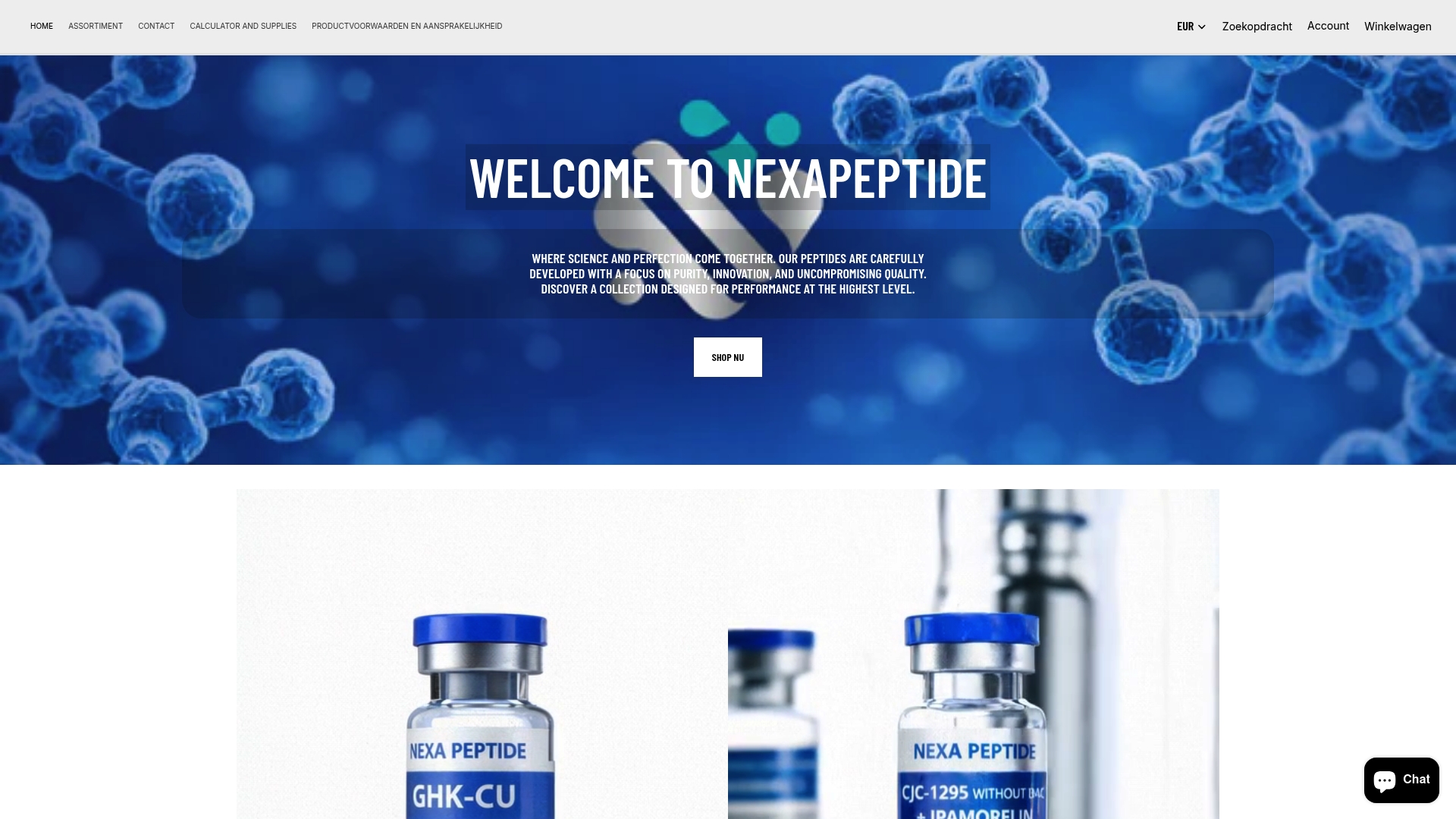
Researchers investigating compounds like Retatrutide benefit from detailed certificates of analysis that enable informed decisions about experimental design and safety protocols. These documentation practices align with regulatory expectations for transparency and traceability in peptide research. Beyond individual peptides, NexaPeptide offers calculation tools and supplies that support precise reconstitution and dosing, critical factors in maintaining experimental reproducibility and ethical research standards. Engaging with suppliers who prioritize quality and transparency helps researchers fulfill their ethical obligations while advancing scientific knowledge in peptide therapeutics and biotechnology applications.
Frequently asked questions
What are the main ethical challenges in peptide research?
The primary ethical challenges encompass immunogenicity risks that affect safety and efficacy, biosecurity concerns from dual-use technologies, regulatory compliance with evolving guidelines, and responsible innovation balancing scientific advancement with societal protection. Researchers must address each dimension through comprehensive risk assessment and transparent governance. These challenges intensify as synthetic biology and AI lower barriers to peptide engineering, requiring proactive ethical frameworks rather than reactive responses.
How is immunogenicity risk assessed in synthetic peptide development?
Immunogenicity assessment combines computational tools like EpiMatrix with laboratory assays measuring T-cell proliferation in peripheral blood mononuclear cells. This dual approach identifies potential epitopes computationally then validates predictions through cellular testing with diverse donor samples. Researchers must evaluate both parent peptides and synthesis impurities since sequence modifications can create novel immune activation sites. Regular protocol updates ensure testing captures emerging variants and synthesis process changes.
What are the biosecurity concerns related to SynBioAI in peptide research?
SynBioAI technologies lower technical barriers to biological engineering, enabling decentralized peptide design and synthesis that complicates traditional oversight mechanisms. This democratization creates risks that novel pathogens or toxins could be engineered outside institutional controls. Effective governance requires transparency, multi-stakeholder engagement, and shared responsibility rather than monitoring approaches that prove impractical in distributed research environments. Researchers must proactively consider dual-use implications and document mitigation strategies.
Is BPC-157 ethically approved for research use?
The FDA treats BPC-157 as unapproved and prohibits its compounding for patient administration, though research applications remain permissible under appropriate institutional oversight. Ethical use requires acknowledging uncertainty about human safety profiles and avoiding premature efficacy claims lacking robust clinical evidence. Researchers working with BPC-157 materials should implement rigorous safety protocols and clearly communicate limitations in current knowledge. Until well-designed human trials establish safety and efficacy, cautious approaches align with ethical research principles.
Recommended
- retatrutide 5mg - 60mg Peptide – Research Grade 99.75%| NexaPeptide
- Semaglutide 2mg - 50mg Peptide – Research Grade Purtiy 99.67% | NexaPe – NexaPeptide
- Cagrilintide 5mg - 10mg Peptide – Research Purity Grade 99.77% | NexaP – NexaPeptide
- BPC-157 5mg - 10mg – Research Purity Grade 99.42% | NexaPeptide